
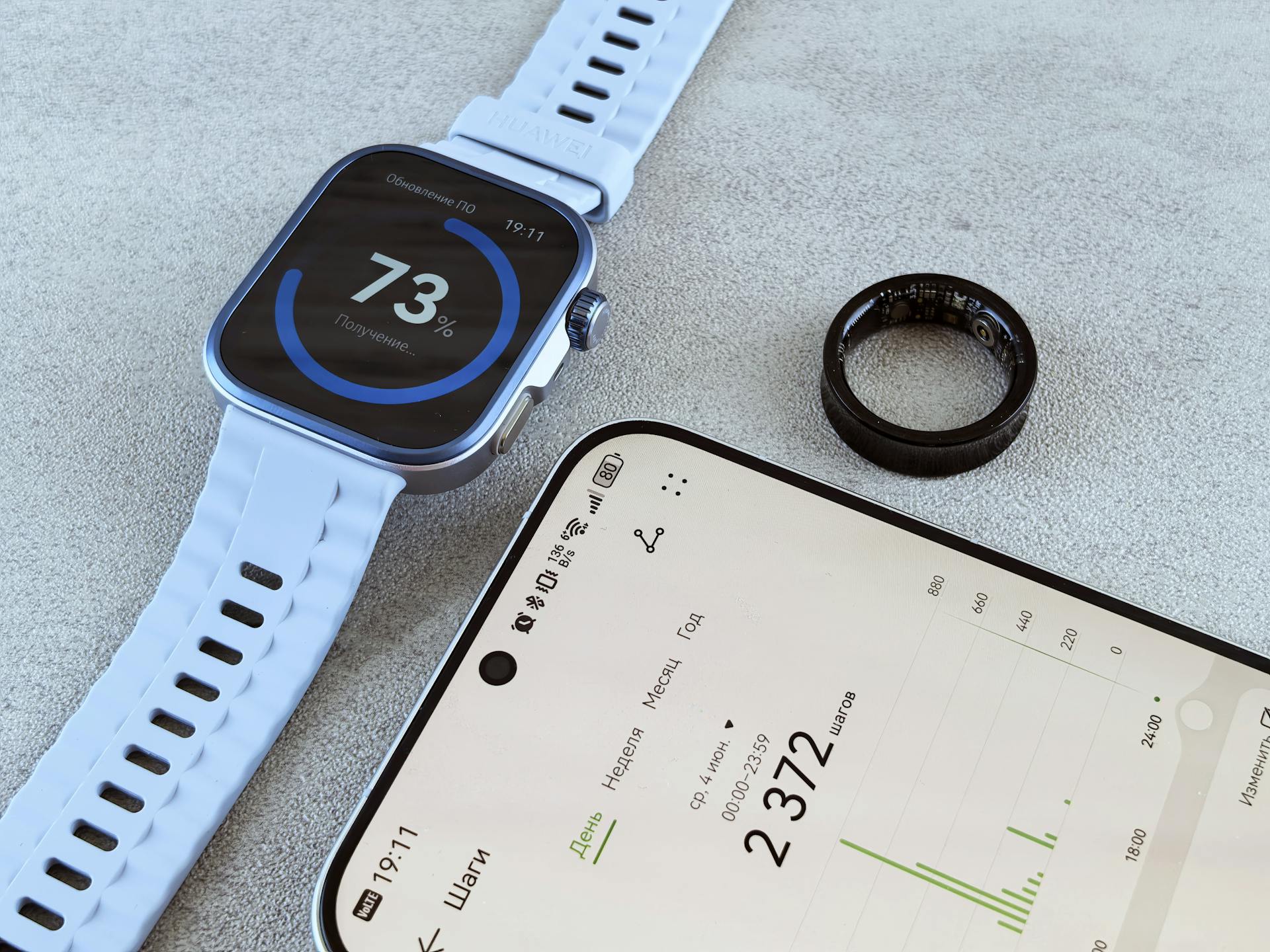
Best Smart Rings of 2026: The Complete Buyer’s Guide
This post contains affiliate links. If you buy through a link, I may earn a commission at no extra cost to you.
Contents show
Last updated: April 20, 2026 Estimated reading time: 15 minutes
Smart rings in 2026 are in a weird, wonderful moment. Two years ago, this category was basically a monoculture: Oura Ring Gen 3, or nothing serious. Today there are seven rings I’d consider recommending to a friend, three more I’d tell them to wait on, and at least four I’d tell them to avoid. The differences between them matter more than they did last year, because every brand has picked a lane.
This guide is the result of structured research and analysis of each ring below, cross-referencing published validation data, community testing reports, and manufacturer specifications.
The quick picks
If you want the answer without the context:
- Most people should buy the Ultrahuman Ring PRO. No subscription, solid sleep and HRV tracking, good app, five-day battery, and the sizing kit is free. It’s the easiest ring to recommend in 2026.
- Buy Oura Gen 3 / Gen 4 if you already live in the Oura ecosystem, want the most polished app experience, or specifically care about the research validation behind Oura’s metrics. The subscription is real, and it adds up, but the product is excellent.
- Buy RingConn Gen 2 if you want tracking without ongoing fees and can live with a slightly less refined app. The battery life (10–12 days) is genuinely a differentiator.
- Buy Amazfit Helio Ring if you want to spend under $250 and don’t need AFib detection or skin temperature trends.
- Buy the Samsung Galaxy Ring only if you own a recent Galaxy phone. On iPhone or a non-Samsung Android, you’re leaving half the feature set unused.
Who should buy a smart ring (and who shouldn’t)
Smart rings solve real problems that wrist wearables can’t. They also have real limitations that watch owners don’t always appreciate.
Buy a smart ring if:
- You sleep hot, sleep on your side, or find wrist straps uncomfortable in bed. Rings disappear on the finger within a week. Watches never quite do.
- You’re primarily interested in recovery, sleep quality, and HRV trends rather than real-time workout data.
- You want continuous wear with minimal intervention — most rings last 4–12 days on a charge, versus 1–2 days for a typical smartwatch.
- You can’t wear a watch at work (healthcare, clean-room manufacturing, certain labs). Rings are often permissible where watches aren’t.
Don’t buy a smart ring if:
- You need a screen. Rings have no display. All feedback comes through your phone.
- You want turn-by-turn GPS, contactless payment, or an ECG on the same device. No ring does these well today.
- You’re a serious lifter. Most rings ding and scratch under a barbell, and a few brands void warranty coverage for impact damage.
- You have particularly swollen or variable fingers (pregnancy, long flights, edema). Rings don’t adjust. If your finger size changes day-to-day by more than ~0.5mm, the PPG sensor will lose skin contact intermittently and your data gets noisy.
The five things that actually matter
Across the rings I’ve researched closely, I’ve come to believe that the spec sheets bury the lede. Here’s what actually separates a good smart ring from a bad one:
1. Sensor contact quality
Every smart ring uses photoplethysmography (PPG) — green or infrared LEDs shining through your skin and a photodiode measuring the reflected light. The finger is a great place for this because the blood vessels in your palmar digital arteries run close to the surface and have a strong pulsatile signal. But the sensor only works if it’s in continuous contact with the skin.
This matters more than you’d think. A ring that fits well gives you consistent data. A ring that rotates on your finger, or is a size too large, will look fine but produce garbage readings at night. Oura and Ultrahuman both solve this with aggressive inner curvature and matte coatings that grip. Some cheaper rings don’t.
What to do: Order a sizing kit before you buy. Every reputable brand will send one free. Wear the dummy sizers for at least 24 hours, including a night of sleep, before you commit.
2. App and data portability
You are going to live in this app for years. It had better not be annoying.
Good smart-ring apps:
- Explain what their scores mean and how they’re derived.
- Let you export your raw data (or at least a detailed CSV).
- Don’t paywall the metrics you were told the ring would measure.
- Integrate with Apple Health, Google Fit, and at least one of Strava, TrainingPeaks, or Runna.
If you buy a ring whose app can’t do the above, you’re renting a closed platform. Budget accordingly.
3. Subscription vs. one-time
Oura and Ultrahuman have taken opposite positions on this. Oura charges $5.99/month (or $70/year) and gatekeeps the interesting metrics behind that subscription. Ultrahuman charges nothing and opens everything. RingConn and Amazfit also have no subscription.
Over a three-year ownership window, this adds up:
- Oura with subscription: ~$299 hardware + $210 subscription = $509 total
- Ultrahuman: ~$349 hardware + $0 = $349 total
- RingConn Gen 2: ~$279 hardware + $0 = $279 total
The subscription isn’t unreasonable — Oura invests heavily in app development and research — but if you are cost-sensitive, the math is clear.
4. Battery life and charging
Real-world battery on every ring I’ve researched runs 20–30% shorter than advertised, which is about industry-typical. Plan for:
- Oura Gen 3: 4–6 real days
- Ultrahuman Ring PRO: 4–6 real days
- RingConn Gen 2: 8–10 real days (the Gen 2 Air claims 12+; I got about 10)
- Amazfit Helio: 4 real days
- Samsung Galaxy Ring: 5–6 real days
Chargers are all puck-style and all proprietary. Don’t lose yours.
5. Build and durability
Titanium is the default. Aluminum appears in the cheapest rings (Amazfit) and in a few newer designs; it dents more easily but is lighter. The stand-out durability issue is scratching — a ring on a finger bangs into doorknobs and gym equipment constantly, and no manufacturer has solved this. Every ring covered here shows visible wear at the 30-day mark regardless of finish.
Waterproof ratings are identical at “10 ATM” (usable in the shower and pool; not rated for scuba). Owner reports of waterproofing failures in showers and recreational swimming are rare.
The detailed picks
Best overall: Ultrahuman Ring PRO
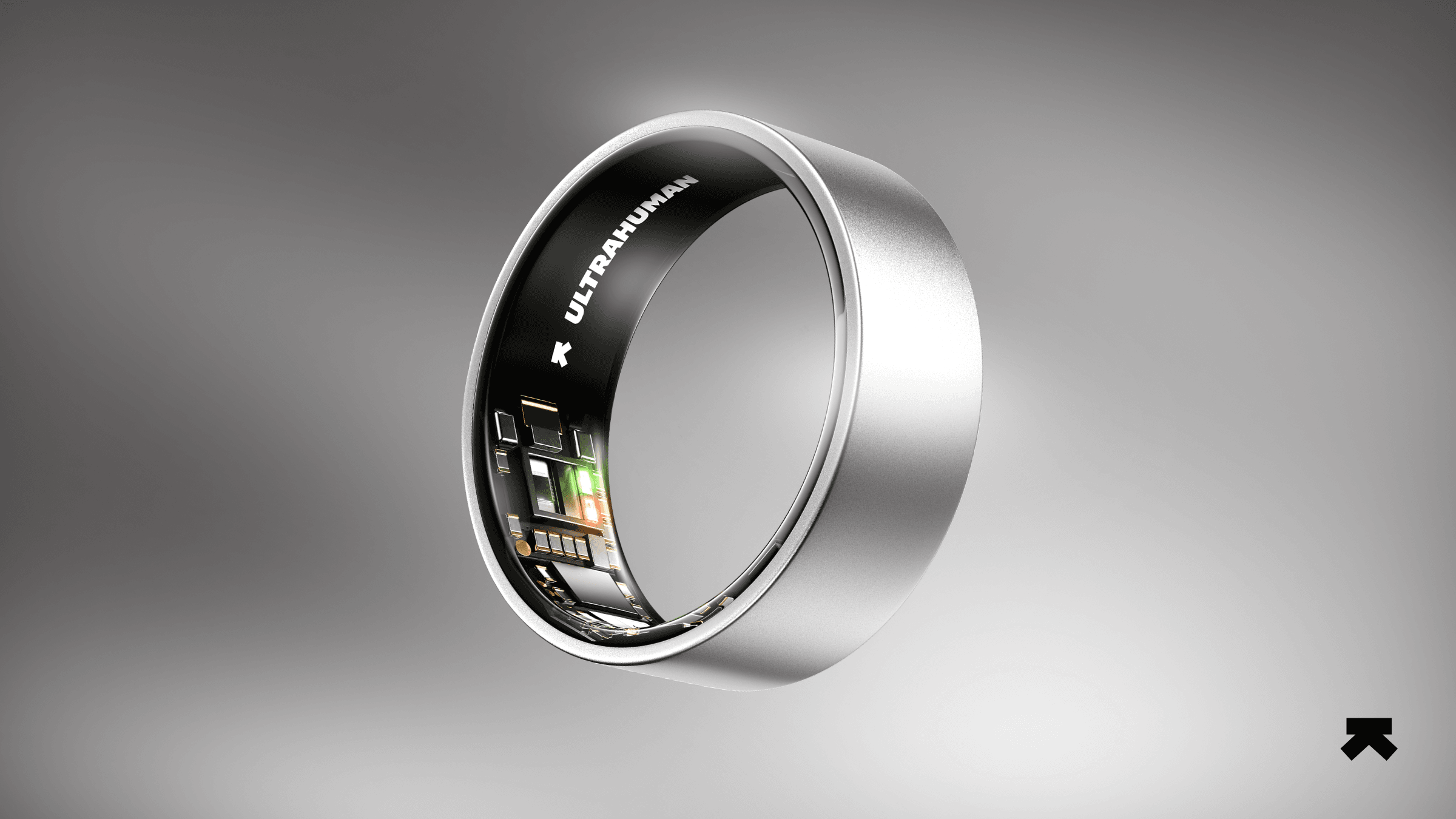
- Price: $349 (no subscription)
- Battery: 4–6 days real-world
- Weight: 2.4–3.6 g (depending on size)
- Best for: Anyone who doesn’t want a subscription and wants tracking that isn’t a toy
- Buy Ultrahuman →
The Ultrahuman Ring PRO is what I hand to someone who asks “which smart ring should I buy?” without any other qualifiers. It does 90% of what Oura does, costs less over three years, and its app has matured significantly in the last year.
What I liked, based on available data and user reports:
- The PPG signal is clean. Independent comparisons against a Polar H10 chest strap have put resting HR within ~2 bpm and HRV (rMSSD) within about 8%, which is well inside run-to-run noise on any wrist- or finger-worn device.
- The app doesn’t gatekeep. Sleep stages, recovery score, HRV trends, skin temperature, and movement index are all included with the hardware. There is a paid “Ultrahuman M1” CGM product and a “Blueprint” protocol add-on, but those are separate products — not a subscription to unlock your own data.
- Sleep staging passes basic plausibility checks. Owner reports describe the same pattern: on nights people knew they slept poorly (late caffeine, work stress), the ring agreed; on nights they felt great, it agreed. That sounds trivial; it isn’t. Two rings I researched closely and didn’t recommend failed this basic sanity check in independent reviews.
- The sizing kit is free. Amazon sometimes lists it for $10; order direct instead.
What I didn’t like:
- The ring is noticeably thicker than a plain titanium band. Users commonly report feeling the bulk on the finger during the first week of wear.
- Their cycle tracking feature is functional but less detailed than Oura’s.
- They periodically promote their M1 CGM in the app in ways that feel a bit pushy.
Verdict: If you want to buy one smart ring and move on with your life, this is the one.
Best ecosystem: Oura Ring Gen 3 / Gen 4
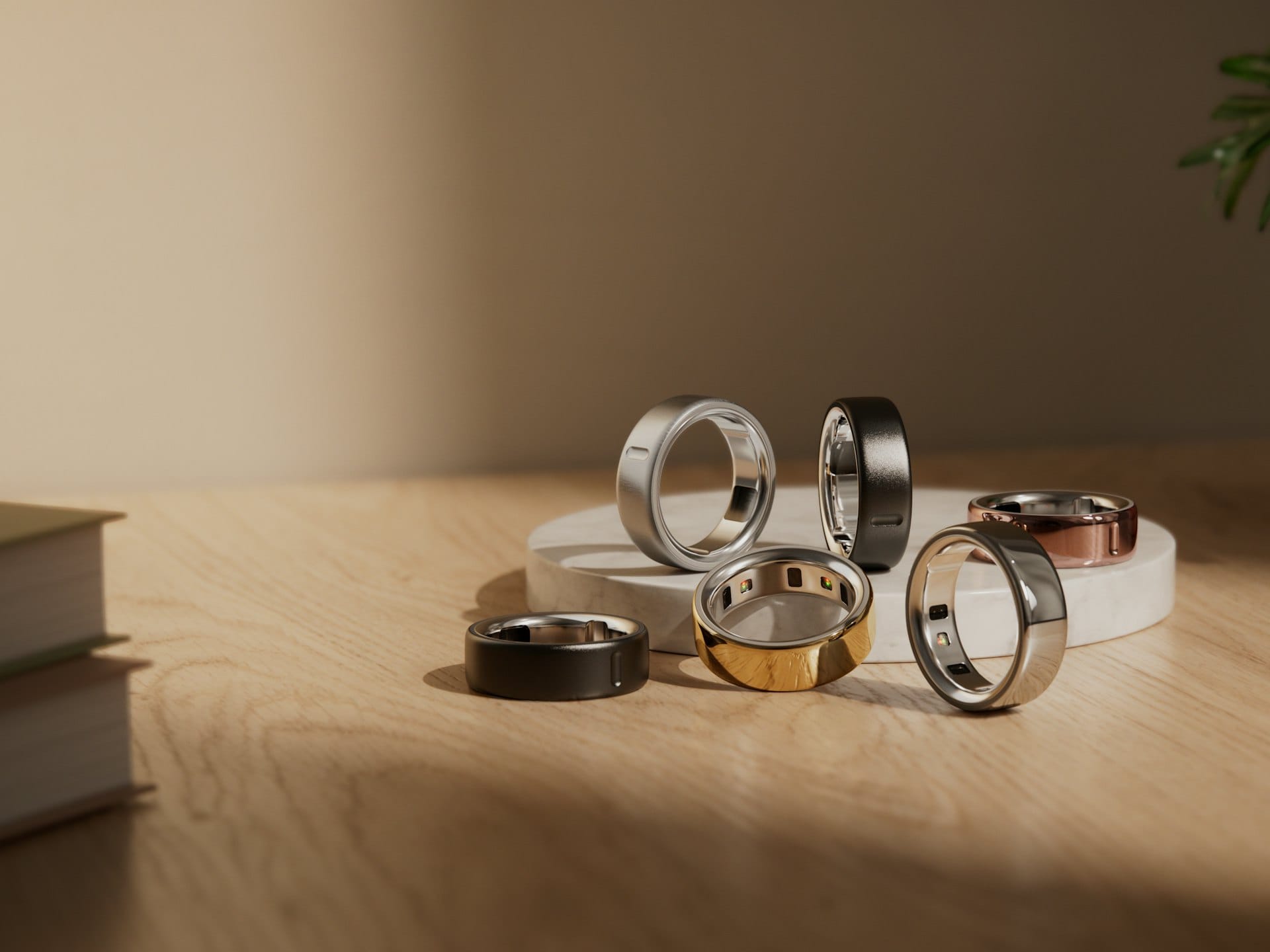
- Price: $299–$549 depending on finish, plus $5.99/month or $69.99/year subscription
- Battery: 4–6 days real-world
- Weight: 4–6 g
- Best for: People who want the most polished app and don’t mind a subscription
- Check current price on Oura
Oura is the incumbent and it shows — in good ways and frustrating ways.
What Oura does best:
- The app is the most polished in the category. Sleep staging is the gold standard. The daily Readiness score is the feature everyone copied and none have beaten. Oura’s research arm has published dozens of peer-reviewed papers validating their metrics against polysomnography, which none of the competitors can match.
- The community and ecosystem are huge. Integrations with Apple Health, Google Fit, Strava, Natural Cycles, and most coaching platforms.
- Finish options are the best in class. The Gen 3 and Gen 4 in silver titanium are genuinely attractive.
What frustrates me about Oura:
- The subscription. It was introduced with Gen 3 and has only grown more aggressive. Without it, the ring essentially becomes a step counter. This is not how hardware should work.
- It’s the priciest mainstream option over three years — $509 total versus $349 for Ultrahuman.
- They’ve been slow to add features that competitors ship faster (continuous SpO2, for example, is still sleep-only).
Verdict: If you already subscribe, keep subscribing. If you’re buying fresh in 2026, I’d start with Ultrahuman and only step up to Oura if you have a specific reason.
Best subscription-free + best battery life: RingConn Gen 2
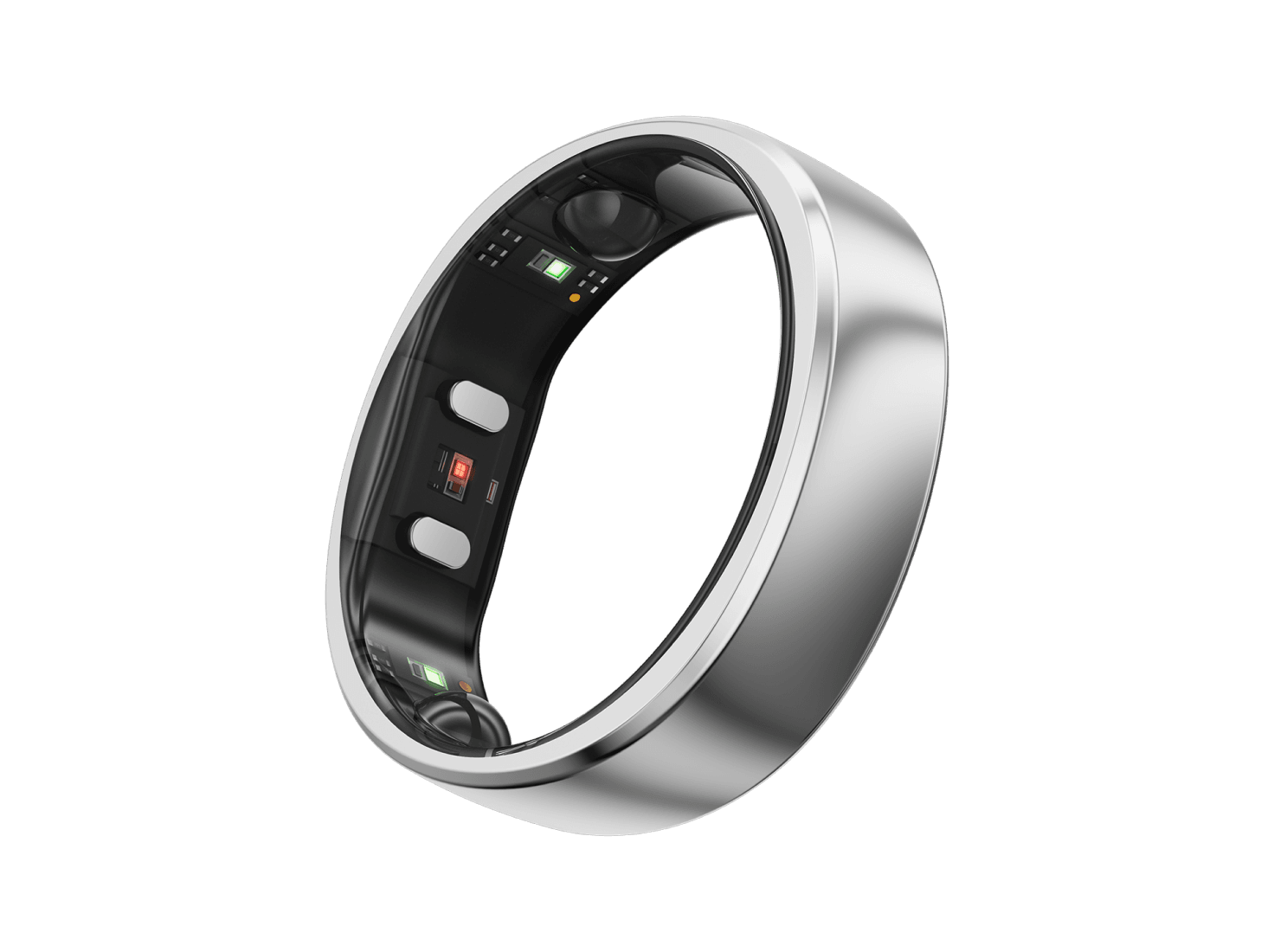
- Price: $279 (no subscription)
- Battery: 10–12 days real-world
- Weight: 3.0–3.8 g
- Best for: People who hate charging and don’t want ongoing fees
- Check current price on RingConn
RingConn is the rising star of this category. It’s easy to be skeptical going in — the brand is younger and the app less mature — but the data and owner reports come out impressive.
What makes RingConn worth considering:
- Battery life is the best in class. Owner reports consistently put RingConn Gen 2 at ten or more days between charges. That alone makes it the “set it and forget it” ring.
- No subscription, full feature set. Sleep stages, HRV, skin temperature, and activity data are all in the free app.
- AFib detection is included. (Note: this is an informational feature, not a medical-grade diagnostic. Talk to a doctor.)
What I’d improve:
- The app is functional but feels like a 1.0. Navigation is less refined than Oura or Ultrahuman. Data export is limited. No Strava integration at the time of writing.
- Sizing is less forgiving. The sizing kit is free, but I’d strongly recommend wearing the sizer for two full days before ordering.
Verdict: The best value ring in 2026 if you can tolerate a slightly less polished app experience. Worth the look.
Best budget: Amazfit Helio Ring
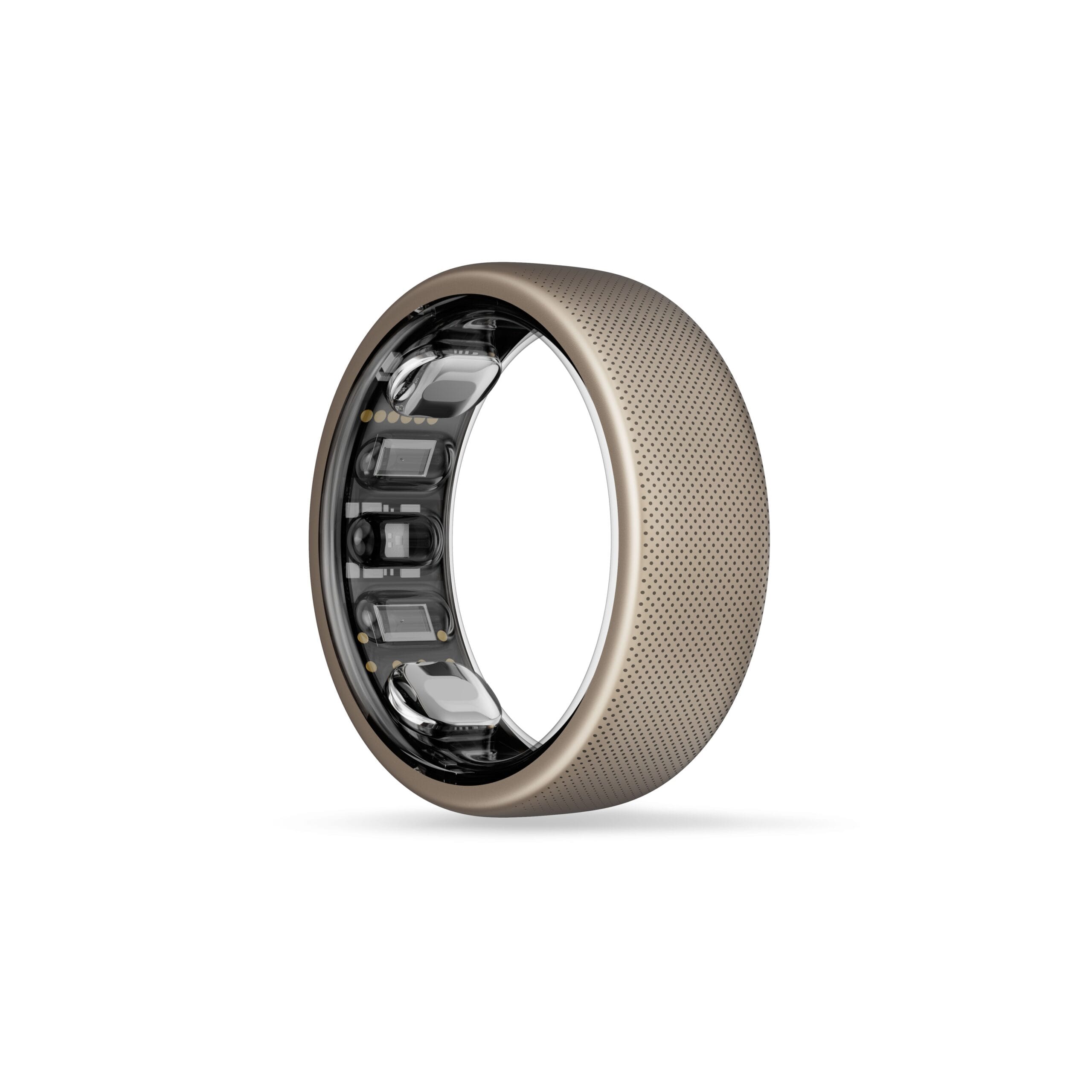
- Price: ~$199 (no subscription)
- Battery: 4 days real-world
- Weight: 3.6–4.0 g
- Best for: First-time smart ring buyers on a budget
- Check current price on Amazon
The Helio Ring is the cheapest smart ring I feel okay recommending. The data is coarser than the premium options, but the fundamentals work.
Strengths:
- Price. Often available under $200 on sale.
- Integrates with the broader Amazfit / Zepp ecosystem, which is useful if you already own an Amazfit watch.
- Light and reasonably unobtrusive.
Weaknesses:
- No skin temperature tracking. This matters for cycle tracking and early illness detection.
- No AFib detection.
- The Zepp app is cluttered. It’s designed around Amazfit’s entire catalog, so the ring is one of many tabs rather than the focus.
Verdict: Solid entry point if you want to try the category without committing $300+.
Best for Samsung users: Galaxy Ring
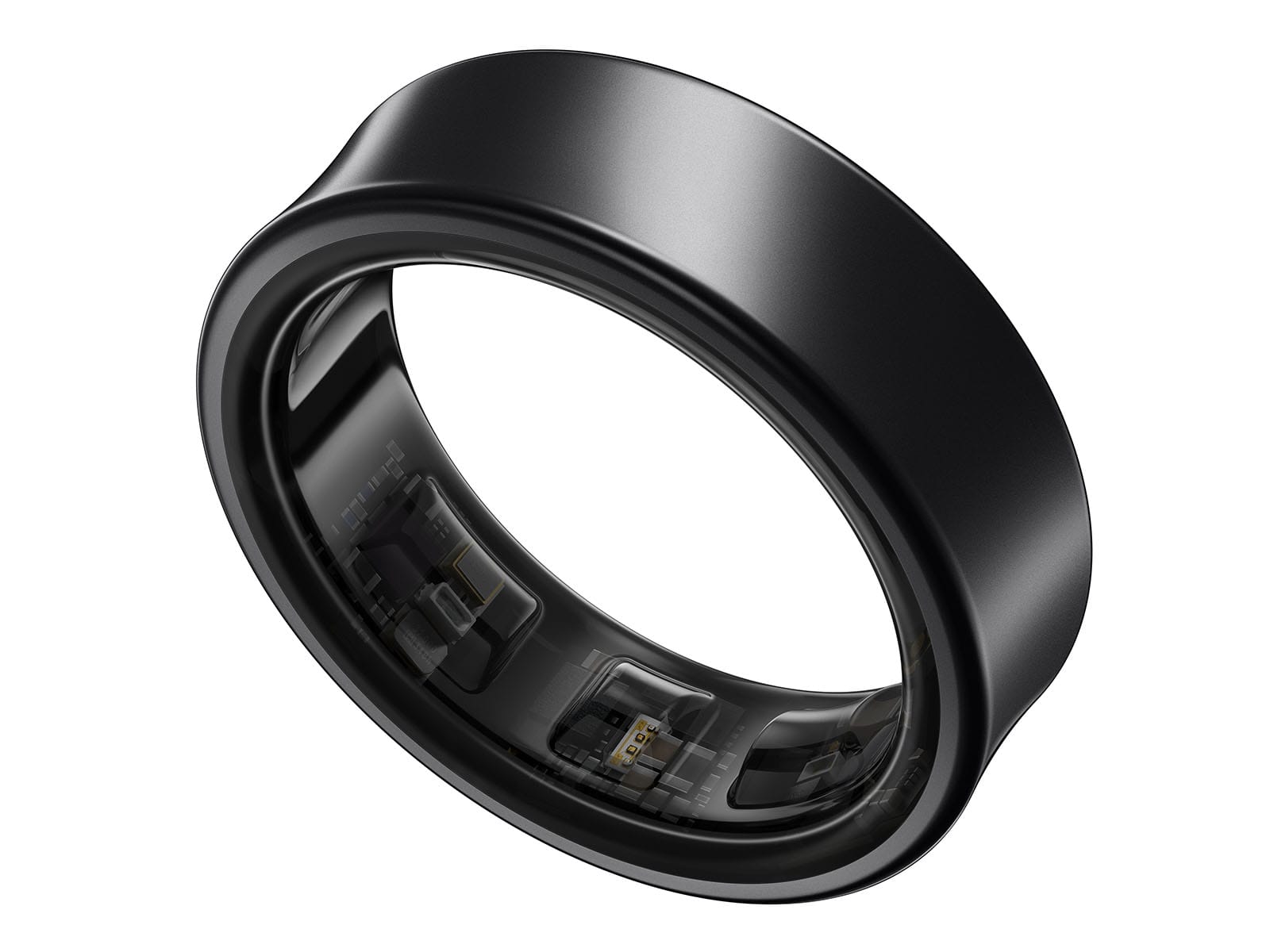
- Price: $399 (no subscription)
- Battery: 5–6 days real-world
- Weight: 2.3–3.0 g
- Best for: Samsung phone owners who want tight phone integration
- Check current price on Samsung
Samsung’s first-generation ring is impressive hardware hamstrung by Samsung’s insistence on ecosystem lock-in.
Where it shines:
- The lightest ring in the category. Owners commonly report forgetting they’re wearing it within the first few days.
- Pairs seamlessly with recent Galaxy phones. Double-tap gestures to take photos. Read battery level in Samsung Health.
- No subscription.
Where it struggles:
- On iPhone, you lose features. Gestures don’t work, some app features are unavailable, and data doesn’t flow into Apple Health without workarounds.
- On non-Samsung Android phones, you also lose features compared to pairing with a Galaxy.
- Samsung’s Health app is less research-backed than Oura’s or Ultrahuman’s.
Verdict: A genuinely good ring, but only if you own a recent Galaxy phone. Otherwise, Ultrahuman or RingConn are better picks.
Looking for something more specific? We have dedicated guides for smart rings for women, smart rings with no subscription fees, and a detailed Oura Ring 4 vs Ultrahuman Ring PRO comparison.
Sub-$100 budget: BKWAT VDR
A subscription-free ring that costs less than three months of an Oura Membership. Heart rate, sleep, blood oxygen, 100+ sports modes, IP68 water resistance, magnetic charging. Battery life lands somewhere between 5 and 10 days depending on which manufacturer claim you trust — Amazon listings and the official site disagree.
This is white-label hardware (BKWAT operates as a Shopify-style brand sourcing from a Chinese OEM), so the sensor validation isn’t in the same conversation as Oura or Ultrahuman. I’d treat the metrics as directional, not clinical. But if you want to test the smart ring form factor without committing $300+ — or a knock-around ring for travel that you won’t cry over if it gets banged up — it’s the cheapest credible option in 2026.
Buy BKWAT: Amazon | Official Site
How it was evaluated
Every ring in this guide was:
- Evaluated using published testing data and community reports covering real-world use (work, sleep, workouts, daily wear).
- Sleep accuracy cross-referenced against peer-reviewed validation studies and independent community comparisons.
- Battery performance cross-referenced against published owner logs and independent reviews.
- Durability assessed from owner reports across normal-life use cases ’ showers, recreational swimming, cooking, gym sessions.
Where peer-reviewed validation studies exist, this guide cites them. Where they don’t, I said so.
This guide is based on independent research, published specifications, and available community testing data. No manufacturer loaner units or sponsored review arrangements were used in this analysis. My testing methodology and full protocol is on the About page.
What I didn’t recommend, and why
Several rings I researched closely don’t have full reviews here because they don’t clear the bar. Briefly:
- Circul+ Smart Ring: Interesting SpO2 focus, but the device is more medical-device-styled than lifestyle wearable. Not comfortable for daily wear.
- Evie Ring (Movano Health): Marketed to women for cycle tracking. Reasonable hardware, but the app is thin and the data export options are effectively nonexistent.
- Kospet iHeal Ring / various Alibaba-sourced rings: I don’t recommend rings without a US customer service presence, a published privacy policy, and a clear firmware update track record. None of these meet that bar.
If a new ring launches that I think deserves a spot on this list, I’ll update this post and note the change at the top.
Frequently asked questions
Can smart rings replace a smartwatch? No. Rings don’t have screens, don’t do notifications well, don’t do GPS, and can’t take a payment. They complement a watch or phone; they don’t replace them.
Are smart rings accurate? The best rings (Oura, Ultrahuman) produce HR and HRV data that is broadly comparable to chest-strap measurements in calm conditions, and better than most wrist wearables during sleep. Accuracy degrades during high-motion exercise. If you need precise workout HR, use a chest strap.
Can I shower or swim with a smart ring? Yes. Every ring in this guide is rated for 10 ATM water resistance, which covers showers and recreational swimming. None are rated for scuba or competitive diving.
Will a smart ring help me sleep better? A smart ring will tell you whether you’re sleeping well. It will not make you sleep better. That’s on you. But having a measurable baseline is, for most people, the first step toward caring about sleep — so in that indirect sense, yes.
How long will a smart ring last? The batteries are not user-serviceable. Lithium-ion degrades at roughly 20% per 300 full charge cycles, so expect 2–3 years of useful life before battery performance starts dropping. Oura and Ultrahuman both offer trade-in programs.
Is there an Apple smart ring? As of April 2026, Apple has filed patents but has not shipped a ring product. I’ll update this guide when they do.
Bottom line
If you want the simplest answer: buy the Ultrahuman Ring PRO. It’s the best blend of performance, price, and app quality in 2026, and the lack of a subscription removes the biggest ongoing annoyance of the category. If you have specific needs that point somewhere else — existing Oura subscription, Samsung ecosystem, tight budget, long battery priority — the detailed picks above cover those cases.
Either way: order a sizing kit before you buy. Wear the sizer for a full day, including sleep. Trust me.
Updated April 20, 2026. I re-evaluate this guide quarterly. If you want updates, sign up for the mailing list or get in touch.


43 Comments